
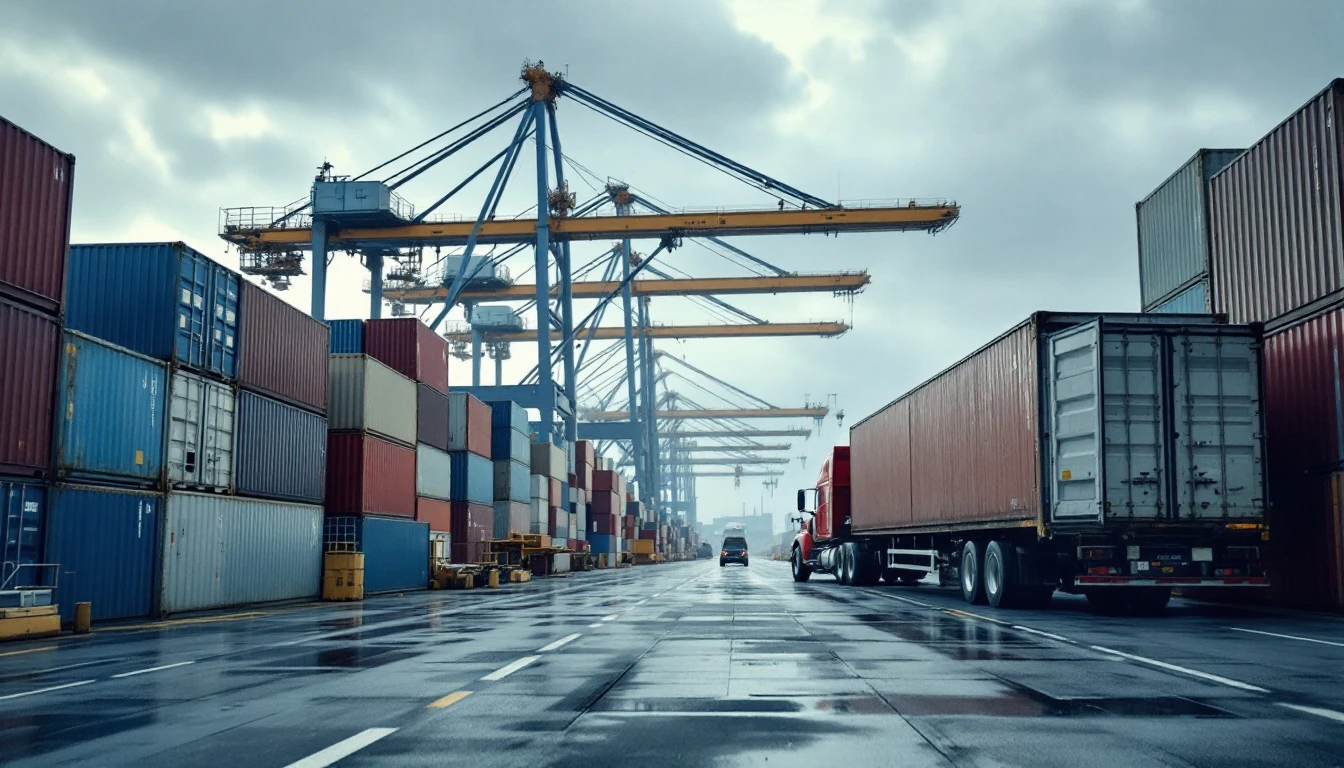
Tariff Uncertainty and August 2026 Cost Risk: How Tariffs Affect Shipping Costs
US-Canada tariff impact on shipping costs is driving carriers to embed cost increases deep in parcel invoices—rate hikes, duty misclassification, and surcharges that compound without announcement. Most shippers lack the visibility to trace where tariff-driven charges are hiding, which means overspend accumulates quietly across every manifest.
The window to recover August and September excess costs closes before year-end, when Q4 tariff announcements are expected to compound cross-border expenses further. Proactive invoice audits now unlock refunds worth thousands and surface the billing patterns that tariff shifts make worse.
An audit-and-recovery framework focused on three categories—rate adjustments tied to tariff risk, duty classification errors, and cross-border service surcharges—gives shippers the tactical response needed to recover current overspend and prepare for the next round of carrier pricing changes.
Three Cost-Recovery Audit Categories
Tariff-driven overcharges hide in three distinct cost categories on parcel invoices, and each can be audited and recovered independently. The first is carrier rate hikes tied to tariff surcharges and peak-season multipliers—general rate increases, fuel-index adjustments, and seasonal premiums applied to cross-border lanes. When tariff uncertainty spikes, carriers accelerate rate-change cycles mid-contract, layering new surcharges atop negotiated rates. A shipper in Michigan discovered that UPS applied an unannounced Canada peak surcharge three weeks earlier than the contract amendment stated, inflating two invoices before the error was caught.
The second is duty classification mismatches that inflate billed weight or apply incorrect harmonized tariff codes. When a shipment crosses into Canada, the carrier assigns a duty classification and calculates charges based on declared weight and value. Misclassified goods trigger higher duty bands and wrong dimensional-weight calculations. A Toronto-bound electronics shipment was billed at the higher tariff code for consumer electronics instead of industrial components, adding cost that the shipper paid without question.
The third category is cross-border service surcharges—border-processing fees, handling premiums, and zone-based charges stacked atop base rates. These accessorials multiply when tariff enforcement tightens. One Ontario shipper found four separate border-related surcharges on a single FedEx invoice for the same package.
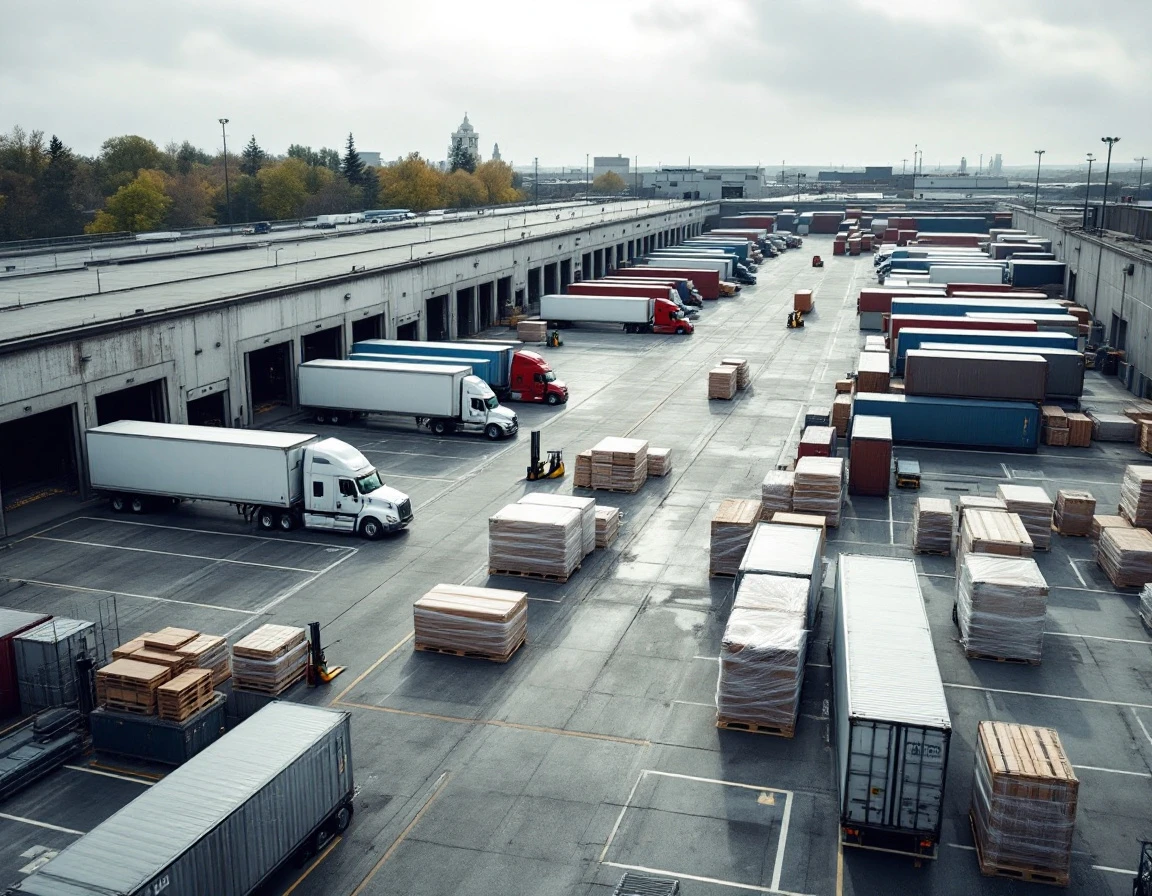
US Canada Shipping Tariff Audit Checklist for Overcharges
Start with rate card verification. Extract every base rate from your August 2026 FedEx, UPS, and USPS invoices and compare them against your contracted rates from July 2026. On FedEx invoices, look for line items labeled "International Priority" or "International Economy" with rate-per-pound figures. UPS invoices show "Worldwide Express" or "Standard to Canada" with zone-based pricing. USPS Commercial Plus or Priority Mail International rates appear as per-piece charges. Cross-check each against your contract baseline, then confirm that any increase is backed by a published tariff surcharge—not a unilateral rate hike. Gather your signed carrier agreements, tariff bulletins from carrier websites. And any mid-contract amendment notices. If a rate jumped without a corresponding tariff surcharge or contract change, flag it for recovery.
Next, conduct a duty code audit. Pull the HS classification code from each cross-border shipment's customs declaration, which appears on the commercial invoice or carrier manifest. Compare it against the tariff codes your team declared at time of ship. Misclassifications—especially between duty-free and dutiable categories—trigger overpayments. Query your carrier's customs portal or your own shipping platform to retrieve the declared codes, then cross-reference them with the Harmonized Tariff Schedule. Document every discrepancy and calculate the duty differential.
Finally, reconcile surcharges. Itemize every border clearance fee, remote-area surcharge, and peak-zone handling charge on your invoices. FedEx and UPS list these as separate line items; USPS bundles some into "extra services." Match each to the carrier's published tariff schedule for August 2026. Any charge that exceeds the schedule or appears without contractual justification is recoverable.

Recovery Claim Documentation Strategy
Building a defensible recovery case starts with the right documentation framework. Carriers require invoice snapshots showing the disputed charge, rate-card comparisons that demonstrate the discrepancy. And duty code declarations linking HS classifications to the applied fee. Organize these documents by claim type: attach tariff notices and rate schedules to surcharge disputes, invoice-level breakdowns to duty mismatches, and contract excerpts to unauthorized fee challenges.
Cross-reference your contract terms against every applied surcharge to isolate unauthorized or duplicated fees. This step separates billing errors from legitimate adjustments and strengthens your recovery position when carriers push back.
Prepare tiered recovery claims before year-end: prioritize high-confidence quick wins like duplicate charges, then tackle medium-complexity duty disputes requiring customs documentation, and reserve escalation-ready zone overcharges for formal dispute channels. This phased approach moves you efficiently from audit discovery to filed claim.
Q4 Tariff Preparation and Parcel Spend Recovery Before Peak Season
Late 2026 tariff announcements will likely trigger carrier surcharge updates and possible service-level changes, resetting the cost baseline just as peak season begins. Shippers who complete August recovery now can redeploy those savings to carrier consolidation or route optimization before Q4 pricing takes effect. Every dollar recovered from August overspend becomes budget you control for proactive repositioning.
Pre-Q4 adjustments to cross-border shipping patterns—zone prioritization, service-level downgrades, consolidation timing—lock in cost efficiency before tariff-driven surcharges cascade through your carrier contracts. The window to audit and recover closes before year-end, and once new tariff rules take effect, the baseline shifts. What you recover in August and September determines whether you enter Q4 reacting to price increases or managing from a position of control.
Next Steps: Launch Your Audit Now
Pull your August and September 2026 parcel invoices this week and run the three-category checklist immediately. Start with rate hike disputes—they typically resolve fastest and yield the highest recovery per claim, making them your best target for quick wins before November. File all recovery claims before November 30 to keep processing before year-end tariff deadlines reset cost baselines.
PatrolPuffin's audit platform automates invoice analysis and claim tracking, matching delivery scans against service guarantees, rate cards, and surcharge rules across every shipment. For shippers managing high volumes or complex cross-border billing, our reconciliation engine catches the discrepancies that manual review misses. See what PatrolPuffin finds in a typical invoice—request a demo to accelerate your recovery work and prepare for Q4 tariff shifts.